42 c4 plant diagram
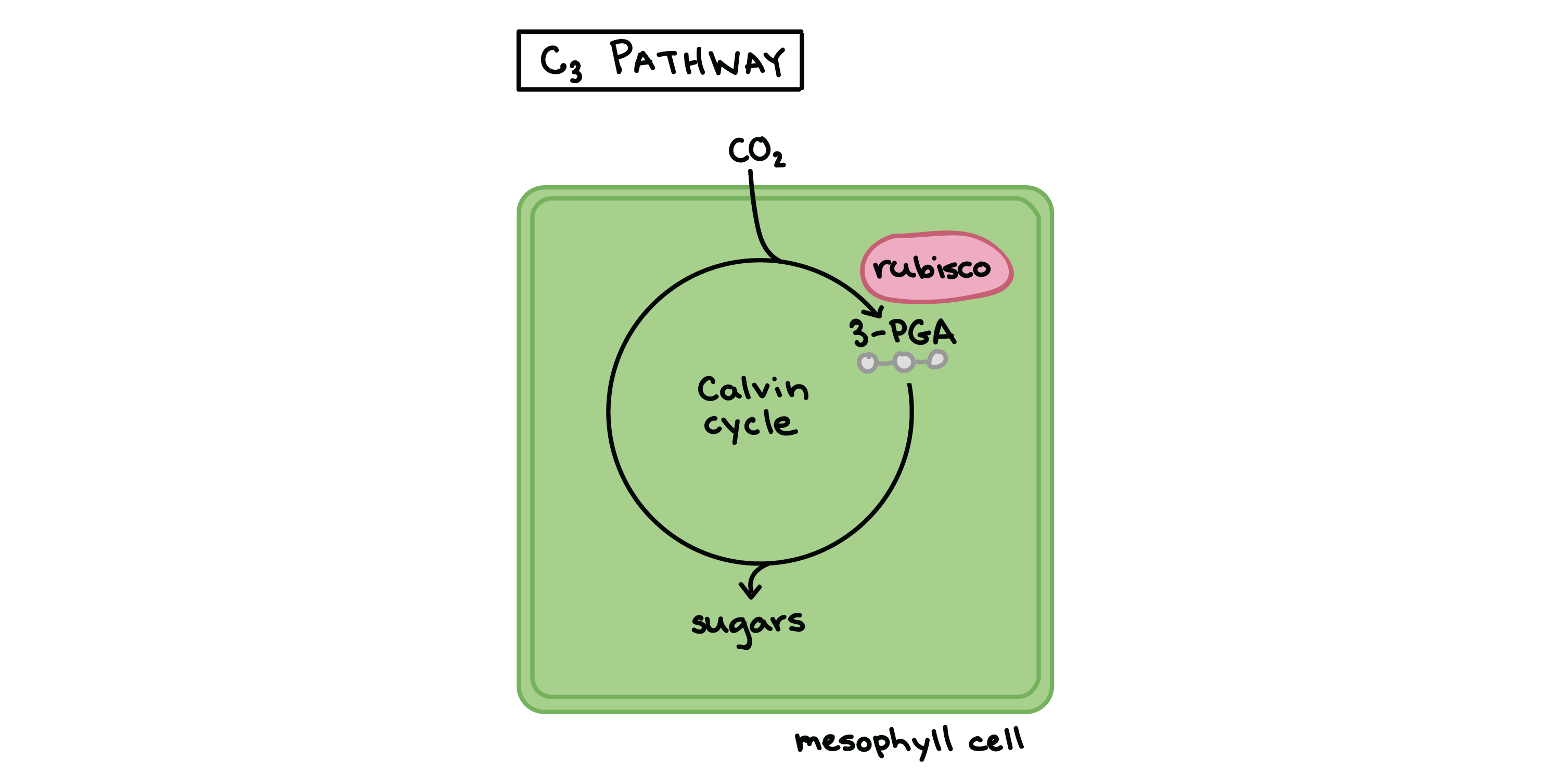
The first step of the Calvin cycle is the fixation of carbon dioxide by rubisco, and plants that use only this "standard" mechanism of carbon fixation are called plants, for the three-carbon compound (3-PGA) the reaction produces. About of the plant species on the planet are plants, including rice, wheat, soybeans and all trees. All enzymes required for the C4 pathway are present in C3 plants. This means 2 things: 1. it has been relatively easy for plants to acquire the capability for C4 PS from the ancestral C3 state. 2. It could be feasible engineer features of C4 PS in C3 crop plants like rice and soybean. All the machinery - enzymes the cells required for C4 PS are ...
Mar 17, 2021 · C4-PlantUML is equivalent to a library for PlantUML and comes with extended specifications for C4 model diagramming on top of PlantUML. Unlike Structurizr, C4-PlantUML automatically determines the layout and only provides a fixed set of styles. However, it can be easily applied if you're already using PlantUML and updates are made regularly.

C4 plant diagram
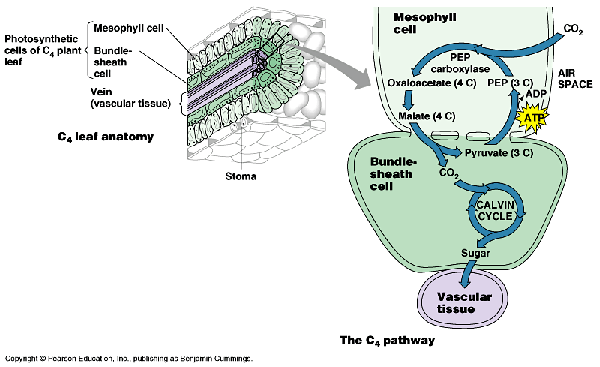
C4 Pathway (Hatch and Slack Pathway) Every photosynthetic plant follows Calvin cycle, but in some plants, there is a primary stage to the Calvin Cycle known as C4 pathway. Plants in tropical desert regions commonly follow the C4 pathway. Here, a 4-carbon compound called oxaloacetic acid (OAA) is the first product by carbon fixation. C4-PlantUML / samples / C4_Component Diagram Sample - bigbankplc.puml Go to file Go to file T; Go to line L; Copy path Copy permalink . Cannot retrieve contributors at this time. 32 lines (25 sloc) 1.74 KB Raw Blame Open with Desktop View raw View blame ... Botany, also called plant science(s), plant biology or phytology, is the science of plant life and a branch of biology.A botanist, plant scientist or phytologist is a scientist who specialises in this field. The term "botany" comes from the Ancient Greek word βοτάνη (botanē) meaning "pasture", "herbs" "grass", or "fodder"; βοτάνη is in turn derived from βόσκειν (boskein ...
C4 plant diagram. C4-PlantUML. C4-PlantUML combines the benefits of PlantUML and the C4 model for providing a simple way of describing and communicate software architectures - especially during up-front design sessions - with an intuitive language using open source and platform independent tools.. C4-PlantUML includes macros, stereotypes, and other goodies (like VSCode Snippets) for creating C4 diagrams ... PlantUML template for C4 diagrams. Taking inspiration from the PlantUML C4 templates by Ricardo Niepel, this C4 PlantUML template includes styling similar to that used by the C4 samples and Structurizr, and maintains a close relationship to the PlantUML core syntax.. Key features. C4 and Structurizr styling; Complementary C4 helpers, build on top of standard PlantUML relationships The C4 model is an "abstraction-first" approach to diagramming software architecture, based upon abstractions that reflect how software architects and developers think about and build software. The small set of abstractions and diagram types makes the C4 model easy to learn and use. A C4 plant is a plant that cycles carbon dioxide into four-carbon sugar compounds to enter into the Calvin cycle. These plants are very efficient in hot, dry climates and make a lot of energy ...
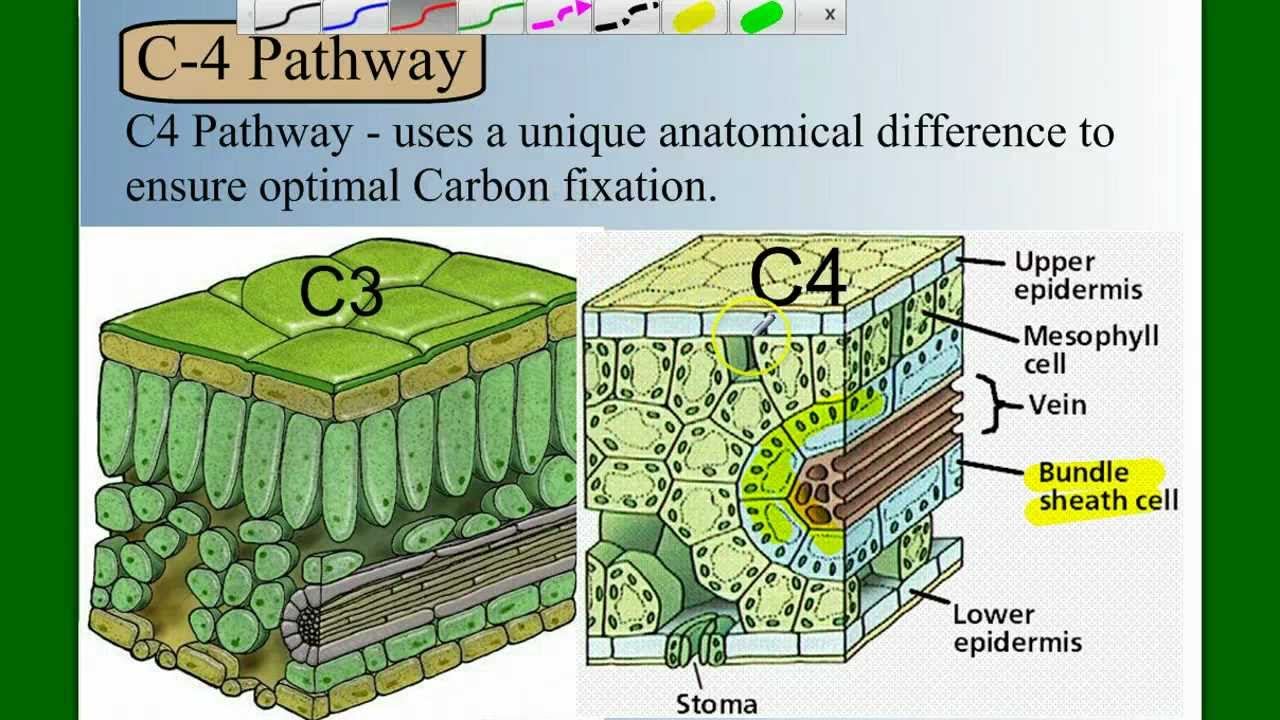
This is the tutorial to setup Visual Studio Code to author textual C4 architecture diagrams using PlantUML. This tutorial uses Windows machine but it is pret... Kranz Anatomy. Kranz Anatomy Definition. Kranz anatomy is a unique structure observed in C4 plants. In these plants, the mesophyll cells cluster around the bundle-sheath cell in a wreath formation (Kranz means 'wreath or ring). Also, the number of chloroplasts observed in bundle sheath cells is more than that in the mesophyll cell. Drawing UML with PlantUML Language Reference Guide (Version 5737) PlantUML is an Open Source project that allows to quickly write: • Sequence diagram, • Usecase diagram, • Class diagram, • Activity diagram, • Component diagram, • State diagram, • Object diagram. Diagrams are defined using a simple and intuitive language. C4 is a simple way to reason and communicate about your system architecture. In this video, I do a walkthrough of C4 diagrams, the tools I use to create thos...
photosynthesis - photosynthesis - Carbon fixation in C4 plants: Certain plants—including the important crops sugarcane and corn (maize), as well as other diverse species that are thought to have expanded their geographic ranges into tropical areas—have developed a special mechanism of carbon fixation that largely prevents photorespiration. The leaves of these plants have special anatomy ... !include https:// raw. githubusercontent. com / plantuml-stdlib / C4-PlantUML / master / C4_Container. puml ' uncomment the following line and comment the first to use locally ' !include C4_Container.puml ' LAYOUT_TOP_DOWN() ' LAYOUT_AS_SKETCH() LAYOUT_WITH_LEGEND title Container diagram for Internet Banking System The diagram shows carbon dioxide fixation in which type of plant? C3. The first stage in the Calvin cycles fixes. carbon dioxide. In a C4 plant, the Calvin cycle occurs only in the _____ cells. bundle sheath. Starch is the storage molecule for _____. glucose. Which best describes a C3 plant? Maize (Zea mays, Poaceae) is the most widely cultivated C 4 plant. [1] C 4 plants use the C 4 carbon fixation pathway to increase their photosynthetic efficiency by reducing or suppressing photorespiration , which mainly occurs under low atmospheric CO 2 concentration, high light, high temperature, drought, and salinity.
Mesophyll And Bundle Sheath Chloroplasts Table Easy Biology Class
It is also possible to use the command line java -jar plantuml.jar -stdlib to display the same list.. Finally, you can extract the full standard library sources using java -jar plantuml.jar -extractstdlib.

C4 Engineering Plants Diagram Quizlet
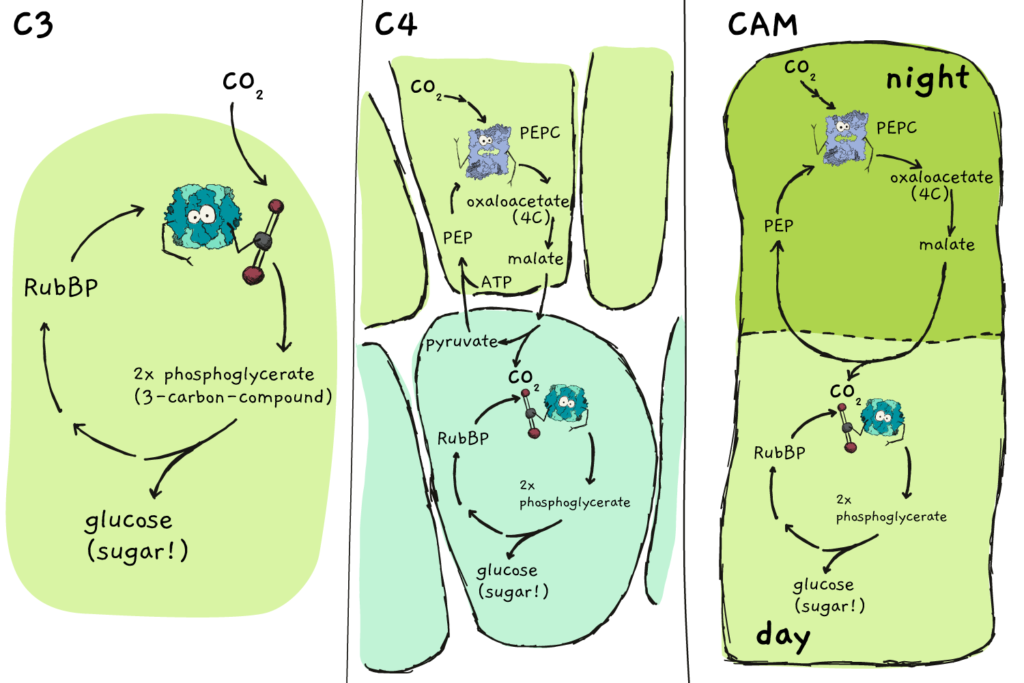
A Diagram showing C3 and C4 photosynthesis (Image to be added soon) Let's explain more to understand the similarities and differences between C3 and C4 plants. Comparison Between C3 and C4 Plants. 1. C4 plants have 50% higher photosynthesis efficiency than C3 plants. 2. Unlike C4 plants, C3 plants consist of 3-phosphoglycerate with three ...

10 3 C3 And C4 Plants
Nov 16, 2021 · Creating a food web is a really great way to learn more about how organisms and animals live in their natural habitats. While a food chain shows how ecosystems function in a linear way, a food web is a more visual approach with multiple...

C4 Plants
In C4 plants, sodium is a micronutrient that aids in metabolism, specifically in regeneration of phosphoenolpyruvate (involved in the biosynthesis of various aromatic compounds, and in carbon fixation) and synthesis of chlorophyll. In others, it substitutes for potassium in several roles, such as maintaining turgor pressure and aiding in the opening and closing of stomata.

C4 Plants Diagram Quizlet
The carbon fixation pathways used by C4 and CAM plants have added steps to help concentrate and reduce the loss of carbon during the process. Some common C3 plant species are spinach, peanuts, cotton, wheat, rice, barley and most trees and grasses. The image above shows the C3 carbon fixation pathway also known as the Calvin Cycle, used my many ...
Photosynthesis Part 5 C4 And Cam Youtube
These plants are called C4 plants, because the first product of carbon fixation is a 4-carbon compound (instead of a 3-carbon compound as in C3 or "normal" plants). C4 plants use this 4-carbon compound to effectively "concentrate" CO2 around rubisco, so that rubisco is less likely re react with O2. There are two important adaptations ...

Schematic Anatomy Of The Maize C4 Plant Leaf Cross Section 1 Download Scientific Diagram
The typical plant leaf includes the following. Upper and lower epidermis – the upper epidermis is the outer layer of the cells that controls the amount of water that is lost through transpiration. Stomata – these are pores (holes) in the leaves that are responsible for the exchange of gases between the plant leaves and the atmosphere.
1
C4 carbon fixation or the Hatch-Slack pathway is one of three known photosynthetic processes of carbon fixation in plants. It owes the names to the discovery by Marshall Davidson Hatch and Charles Roger Slack that some plants, when supplied with 14CO. 2, incorporate the 14 C label into four-carbon molecules first.

C4 Pathway Hatch And Slack Pathway Definition Examples Diagrams
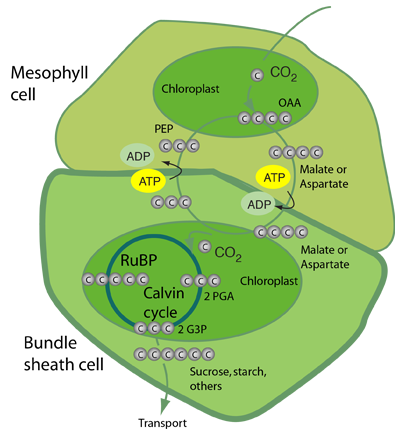
C4-Dicarboxylic Acid Pathway (Hatch Slack Pathway, C4 Pathway): It was worked out by Hatch and Slack (1965, 1967). However, initial discovery was made by Kortschak (1965) who found that labelled carbon dioxide ( 14 CO 2) assimilated by Sugarcane leaves first appeared in a 4-carbon compound oxalo-acetic acid (OAA or oxaloacetate). Because of the ...

C4 And Cam Photosynthesis Horticultural Physiology Hos 4304 Docsity
PlantUML is built on top of Graphviz and enables software architects and designers to use code to create Sequence Diagrams, Use Case Diagrams, Class Diagrams, State and Activity Diagrams and much more. C4 Diagrams PlantUML can be extended to support the C4 model for visualising software architecture. Which describes software in different layers ...

C4 Plants Hayden Cornelius Blog Of Biology
PlantUML类图的语法:您可以定义接口,成员关系,包,泛型,注释...改变字体和颜色也有可能。
C3 And C4 Plant Essay Dentalimplantsurgery Com Custom Academic Help
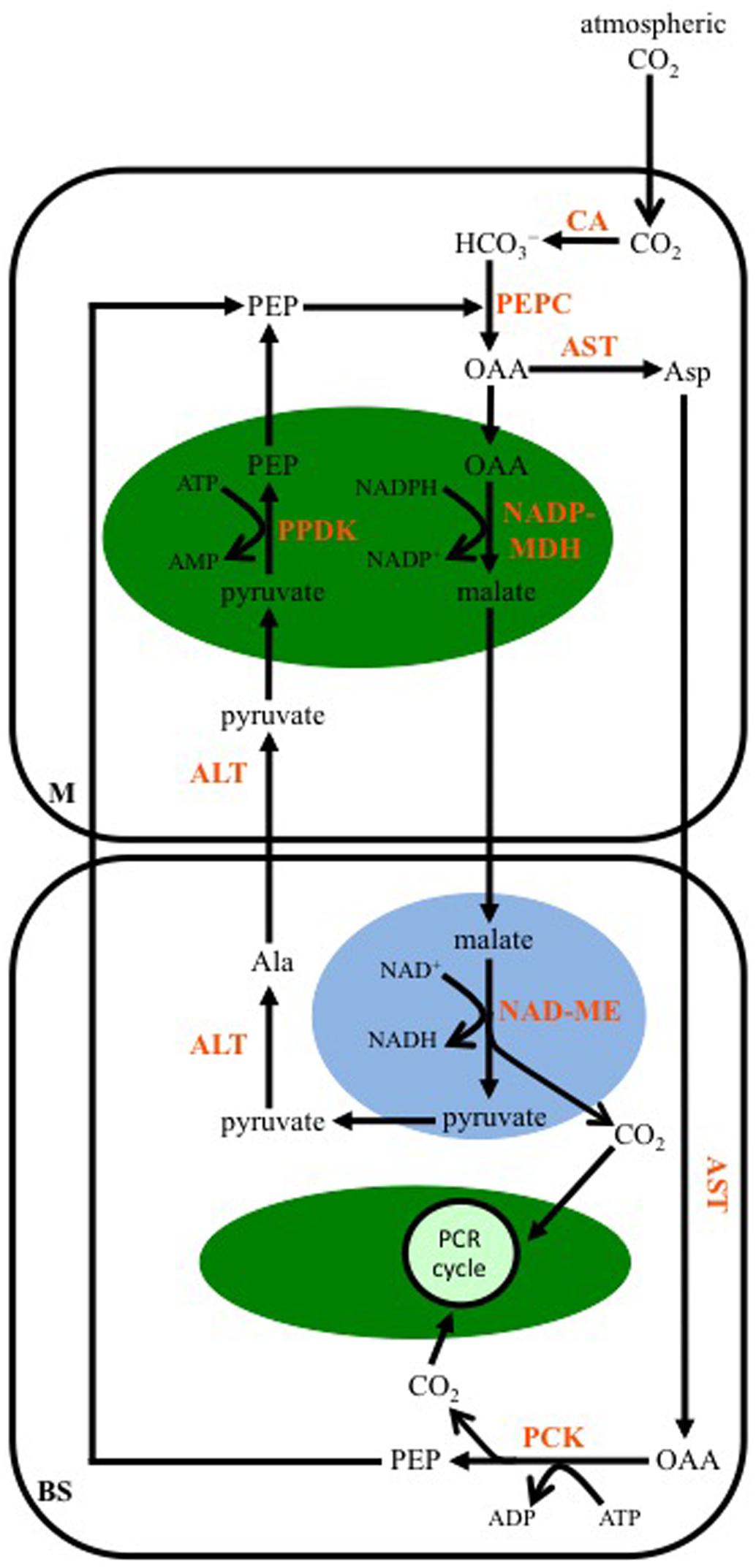
In this article we will discuss about the Hatch-Slack (C4) pathway of co 2 fixation.. The discovery of C 4 cycle in monocots such as sugarcane, maize and sorghum has indicated that these plants have solved the problem of photorespiration. The carbon dioxide is fixed in the mesophyll cells. The initial product being a-4 carbon compound, the process is called C 4 pathway of carbon dioxide fixation.

Plantae Review C4 Like Photosynthesis Has Important Functions In C3 Plant Vasculature Jxb Plantae
C-4 or Composition C-4 is a common variety of the plastic explosive family known as Composition C, which uses RDX as its explosive agent. C-4 is composed of explosives, plastic binder, plasticizer to make it malleable, and usually a marker or odorizing taggant chemical.
The Calvin Cycle
This project will help you use the awesome Plantuml tooling to create C4 diagrams for documenting architecture. C4 defines a set of diagrams (core and supplementary) that are designed to document architecture in a way that is easy to understand and communicate. Plantuml is a uniquely pleasant-to-use tool to create diagrams from text.

Comparison Of C3 C4 And Cam Plants Photosynthesis Biology Plants Plant Science
A Schematic Diagram of C3 and C4 Photosynthesis Constraint-based model, also called Flux Balance Analysis (FBA), is a useful method to analyze ... because C3 plant is single-cell, while C4 plant consists of mesophyll cell and bundle sheath cell, the connections between two-

C3 C4 And Cam Plants Photosynthesis And Cellular Respiration Biology Diagrams Biology Plants
Physical characteristics According to its composition, biogas presents characteristics interesting to compare with natural gas and propane. Biogas is a gas appreciably lighter than air, it produces twice as less calories by combustion with equal volume of natural gas.

Pdf The Early Origins Of Terrestrial C4 Photosynthesis Semantic Scholar
Schematic diagram of light reaction and Calvin cycle C4 cycle or Hatch and Slack pathway It is the alternate pathway of C3 cycle to fix CO 2. In this cycle, the first formed stable compound is a 4 carbon compound viz., oxaloacetic acid. Hence it is called C4 cycle. The

C4 Carbon Fixation Wikipedia
C4-PlantUML / samples / C4_Container Diagram Sample - message bus.puml Go to file Go to file T; Go to line L; Copy path Copy permalink . Cannot retrieve contributors at this time. 41 lines (30 sloc) 2.13 KB Raw Blame Open with Desktop View raw View blame ...

One Evidence That Plants Are Smarter Than You Think Ratna S Blog
They can be annual perennial. Some of the C3 plant examples are wheat, rye, oats, orchard grass. What are the C4 Plants? C4 plants possess a particular type of leaf anatomy. They use Phosphoenolpyruvate carboxylase (PEP enzyme) instead of photorespiration to enter the Calvin cycle. Enzymes of C4 metabolism are regulated by light.
Frontiers The Roles Of Organic Acids In C4 Photosynthesis Plant Science
Botany, also called plant science(s), plant biology or phytology, is the science of plant life and a branch of biology.A botanist, plant scientist or phytologist is a scientist who specialises in this field. The term "botany" comes from the Ancient Greek word βοτάνη (botanē) meaning "pasture", "herbs" "grass", or "fodder"; βοτάνη is in turn derived from βόσκειν (boskein ...
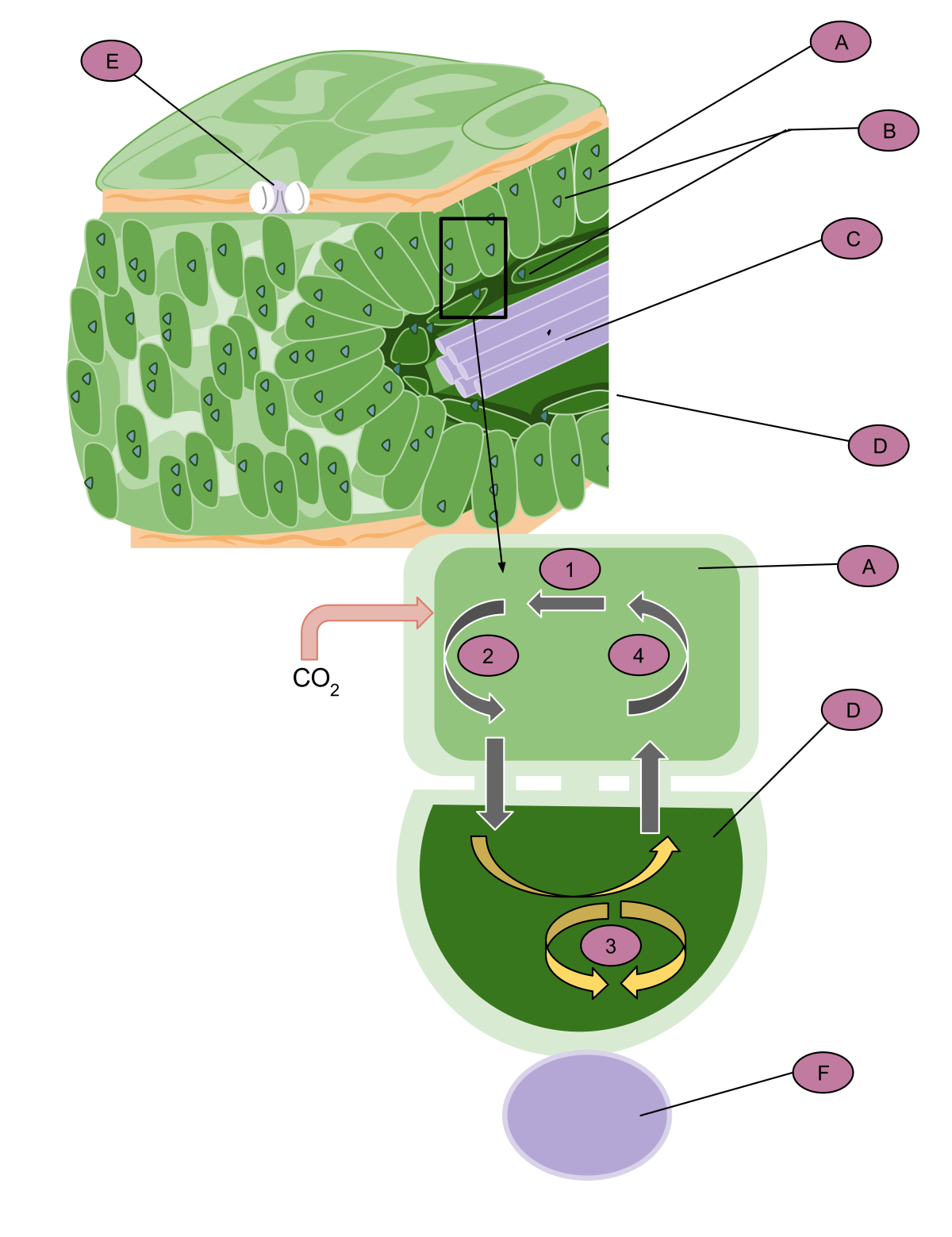
C4 Carbon Fixation Wikipedia
C4-PlantUML / samples / C4_Component Diagram Sample - bigbankplc.puml Go to file Go to file T; Go to line L; Copy path Copy permalink . Cannot retrieve contributors at this time. 32 lines (25 sloc) 1.74 KB Raw Blame Open with Desktop View raw View blame ...

Explain C4 Pathway Biology Topperlearning Com Yy4do7gg
C4 Pathway (Hatch and Slack Pathway) Every photosynthetic plant follows Calvin cycle, but in some plants, there is a primary stage to the Calvin Cycle known as C4 pathway. Plants in tropical desert regions commonly follow the C4 pathway. Here, a 4-carbon compound called oxaloacetic acid (OAA) is the first product by carbon fixation.

Ppt Adaptations To Photosynthesis C4 And Cam Plants Powerpoint Presentation Id 2028676

C4 Vs Cam Plants Diagram Quizlet

How C3 C4 And Cam Plants Do Photosynthesis Youtube

Systems Of Photosynthesis

A Simplified Schematic Representation Of C4 Photosynthetic Metabolite Download Scientific Diagram

Systems Of Photosynthesis

Convergent Evolution Shining Fresh Light On The Evolution Of Photosynthesis Elife

Leaf Anatomy Of C4 Plants Blogs
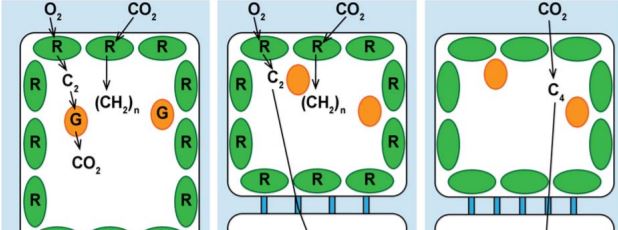
Plantae Paving The Way For C4 Evolution Study Of C3 C4 Intermediate Species In Grasses Plantae

Types Of Photosynthesis In Plants C3 C4 And Cam Youtube

What Is A Succulent And What Makes Them Different From Other Plants Australian Institute Of Horticulture
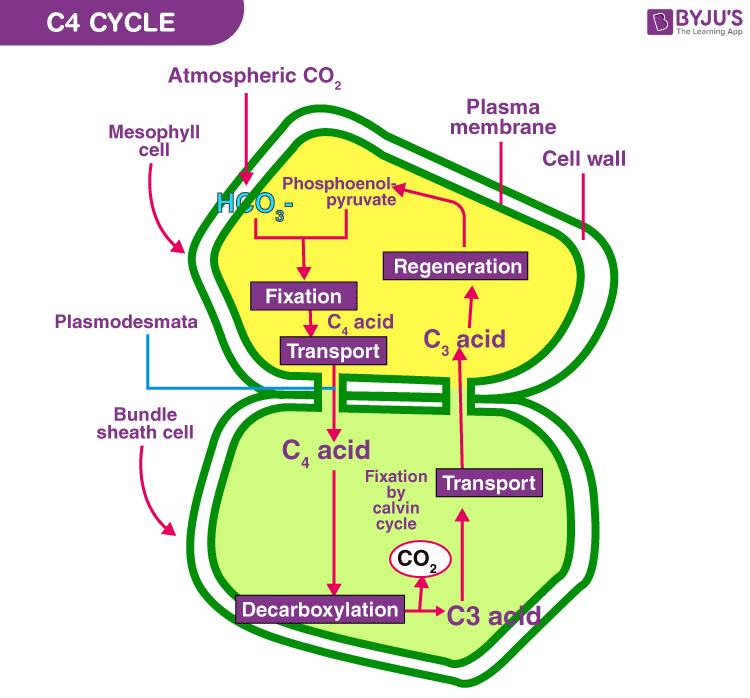
Why C4 Plants Are More Efficient Than C3
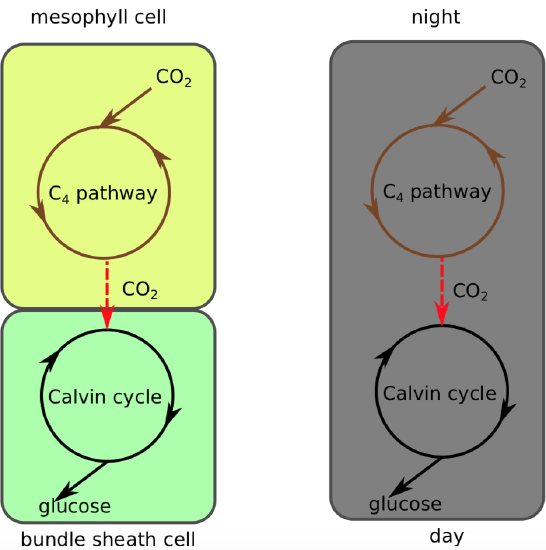
13 7 Photorespiration And Photosynthetic Pathways Biology Libretexts
Solved Construct A Venn Diagram Showing The Key Differences Chegg Com

C4 Photosynthesis Semantic Scholar

Pepc Is The New Rubiscola Plants And Pipettes

A Schematic Diagram Of C3 And C4 Photosynthesis Download Scientific Diagram

C4 Carbon Fixation Wikipedia
C3 C4 And Cam Plants Article Khan Academy
C4 And Cam Plants Schoolworkhelper


Comments
Post a Comment