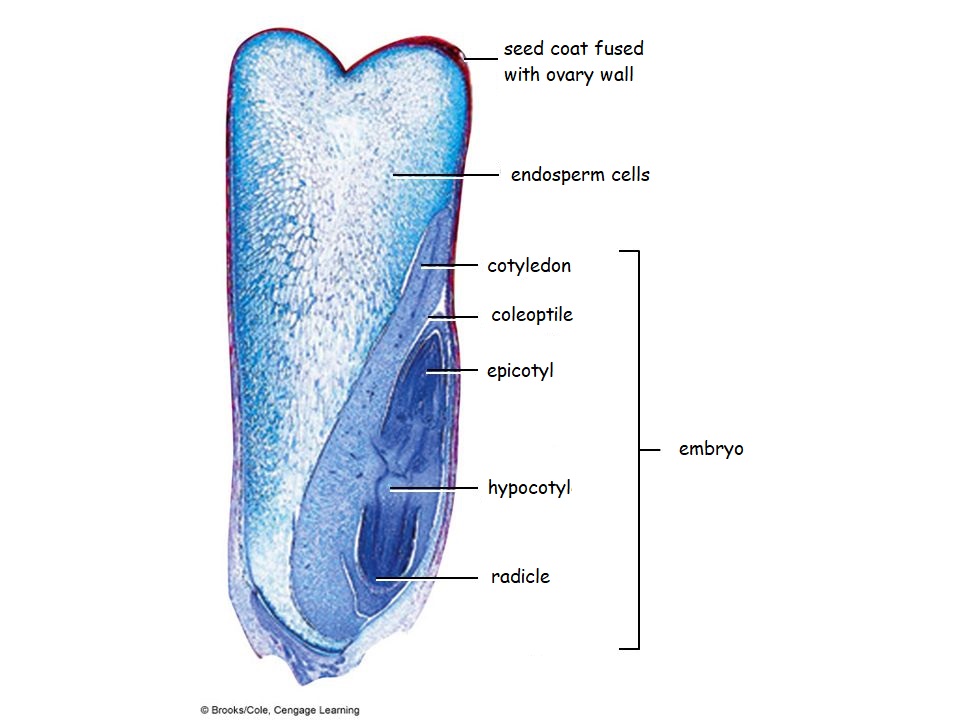
43 corn kernel diagram
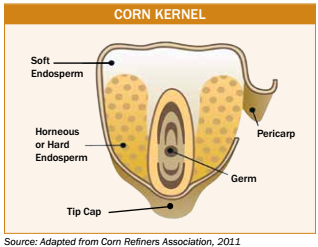
Answer (1 of 2): Different types of corn have different shapes, but all are basically flat on top and bottom as nested on the cob with it facing upward. Corn grown for seed and oil crops are generally diamond shaped with a flattened end and slightly curved corners. Popcorn, on the other hand, are... The endosperm is primarily starch, the corn's energy storage, and protein for germination. The pericarp or hull is made of cellulosic material and protects the kernel from microorganisms and ...
Kernel: it is the corn seed with one main function; to make another corn plant. Node: a place on the stem where growth occurs. Leaves, roots, ears, and tassels form from nodes. Stalk: the main body (stem) of the corn plant. Stalks have to be sturdy to support the weight of the corn ears and provide pathways for the nutrients

Corn kernel diagram
Maize (/ m eɪ z / MAYZ; Zea mays subsp. mays, from Spanish: maíz after Taino: mahiz), also known as corn (North American and Australian English), is a cereal grain first domesticated by indigenous peoples in southern Mexico about 10,000 years ago. The leafy stalk of the plant produces pollen inflorescences and separate ovuliferous inflorescences called ears that yield kernels or seeds, which ... Parts of Corn Kernel. Hard, drop-shaped, popcorn kernels that we use to pop in the oven are actually seeds of the maize plant. They grow on a cob of the maize plant and are arranged in rows on the cob. Kernels or seeds which finally pop to become popcorn are made up of three layers. Hull, outer hard-skin (pericarp) starchy interior (endosperm) Innovating the Kernel. Corn is a versatile resource that can be used for just about everything - from making our food taste better and our cosmetics last longer, to making our plastics more environmentally friendly. and our medicines easier to swallow. That's why we call corn "nature's renewable building block.".
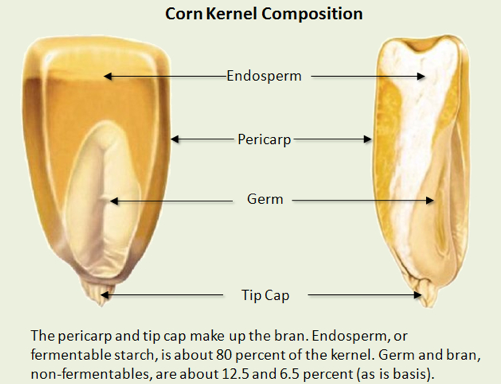
Corn kernel diagram. Corn Kernel Hand Dissection Starch, Protein, Oil, Fiber and Other Minor Constituents. Ist US-Brazil Fulbright Course on Biofuels, Sao Singh - Corn Structure and Composition Paulo, Brazil University of Illinois at Urbana-Champaign Starch • Primary source of stored energy in cereal grains Red corn's kernels are stained with hues of ruby brick red and creamy pink tones, depending on specific variety. The cobs of Red corn are typically leaner than yellow or white and kernels and less plump in size, though this is not a reflection of the Red corn's sweetness. Red corn is exceptionally sweet and nutty in flavor and that flavor is ... Download scientific diagram | Anatomy of the Corn Kernel. from publication: Current Issues in Ethanol Production | | ResearchGate, the professional network for scientists. corn syrup (HFCS), corn syrup, starches, animal feed, oil, and alcohol. In the corn wet milling process, the corn kernel is (see Figure 2-1) separated into three principal parts: (1) the outer skin, (called the bran or hull); (2) the germ (containing most of the oil); and (3) the endosperm (gluten and starch). From an
In the corn wet milling process, the corn kernel (see Figure 9.9.7-1) is separated into 3 principal parts: (1) the outer skin, called the bran or hull; (2) the germ, containing most of the oil; and (3) the endosperm (gluten and starch). From an average bushel of corn weighing 25 kilograms Browse 824 corn kernel stock photos and images available, or search for corn kernel background or corn kernel icon to find more great stock photos and pictures. close-up of corn kernels against white background - corn kernel stock pictures, royalty-free photos & images. farmer with corn seeds in basket - corn kernel stock pictures, royalty-free ... The tassel and the corn ears are responsible for reproduction and formation of the corn kernels. The tassel is the "male" part of the plant, which emerges from the top of the plant after all of the leaves have developed. Many male flowers are on the tassel. The male flowers release pollen grains which contain the male reproductive cells. 2R1 = potential kernel ovules and kernel number, if no stress is affecting pollination and final kernel development. 3Factory = After tassel initiation at V5, all corn plant parts are already developed to support ear and grain development. Growth stages, moisture content, and total dry matter progression for corn during the reproductive period.1
Corn Growth Stages R4 Dough Kernels have accumulated ½ of total dry weight. Five leaves have formed in the kernel. R5 Dent Most kernels have dented and are near 55% moisture at start. Starch layer has formed and progresses down the kernel. 5/7/2019 26 Milkline movement through kernel Corn kernels express numerous phenotypes that are easy to recognize. The phenotypes typically used involve the color or shape of the kernel. Carolina maintains parental stocks of yellow and purple corn colors. Purple corn is the result of a dominant allele, and yellow corn is the result of the recessive allele of the same gene. the corn kernel. The germ contains the essential genetic information, enzymes, vitamins and minerals for the kernel to grow into a corn plant. About 25 percent of the germ is corn oil - the most valuable part of the kernel, which is ... Corn_kernal_diagram Created Date: The first step is to milling the corn. It can be done by dry milling or wet milling. Figures 7.10a and 7.10b show the process steps for each wet and dry milling. For wet milling, the corn kernels are broken down into starch, fiber, corn germ, and protein by heating in the sulfurous acid solution for 2 days.
Zea Mays Corn Maize Mealie Taxonomy Life Cycle Flower And Kernel Anatomy At Geochembio
moisture in the kernel is just right (a moisture content of 16-20 %) the small-scale explosion of the kernel will not occur [7]. The kernel's shell allows for the moisture to expand and increase internal pressure without leaking out. When the kernels are heated, the corn shell acts like a [3-2]

Draw A Neat And Well Labeled Diagram Of Longitudinal Section Of Maize Grain Biology Topperlearning Com 36k8c3pff
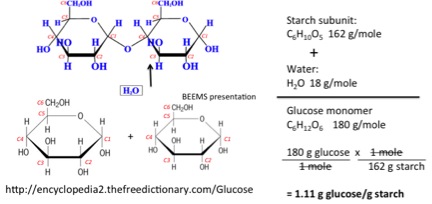
Unlike all other major grain crops, the corn plant has separate male and female flowering parts. Corn is the most important and economical source of starch in the United States. Starch is the major carbohydrate storage product in corn kernels comprising 70-72% of the kernel weighton a dry weight basis.

Original 1938 Art Print Products From Corn Kernel Diagram By Boris Artzybasheff 410389096
Corn - kernel whole Corn - Kernel - diagram: Corn "seed" l.s. grain, labels Corn - section of fresh + labels: Corn kernel - diagram, ls. labels: Corn - Kean Univ. Corn - l.s. kernel: Corn seedlings : Bean - Kean Univ. Bean seed hilum : Bean seed and seedling - Bean - early development - U. Wisc. Bean seed - labels: Bean seedlings: Seed ...
3
The corn and water slurry leaves the germ separator for a second, more thorough, grinding in an impact or attrition-impact mill to release the starch and gluten from the fiber in the kernel. The suspension of starch, gluten, and fiber flows over fixed concave screens, which catch fiber
Corn Lab Emily Skwarek
Chi Square Problem: An ear of corn has a total of 381 grains, including 216 Purple & Smooth, 79 Purple & Shrunken, 65 Yellow & Smooth, and 21 Yellow & Shrunken. These phenotypes and numbers are entered in Columns 1 and 2 of the following Table 2. Your Tentative Hypothesis: This ear of corn was produced by a dihybrid cross (PpSs x PpSs) involving two pairs of heterozygous genes resulting in a ...

Pin On Botany
Popcorn is the only grain in the corn family that pops open when exposed to temperatures above 180° C. A popcorn kernel is composed of 3 parts: the pericarp, germ, and endosperm. See Fig. 1. The pericarp is the tough outer shell surrounding a popcorn kernel, and the key to what makes it pop. Inside the pericarp is the germ, or seed embryo.
How Do The Kernels You Use To Make Popcorn Come From Corn On The Cob Quora
Transport the corn to the plant 3. The leaves and silk are striped from the cob 4. Corn goes through the kernel remover 5. Kernels enter a rotating drum to remove any particles that are larger than the kernels 6. The kernels are mixed in a solution of water and corn fluids for easy transportation 7. The kernels are then bleached in a cylinder 8.

How Corn Kernel Structure Affects Masa Masienda
Aflatoxins in Corn A flatoxins are a group of chemicals produced by certain mold fungi. These fungi, Aspergillus flavus and Aspergillus parasiticus, can be recognized by olive green or gray-green, respectively, on corn kernels, in the field or in storage (Figure 1). Although aflatoxins are not automatically produced whenever grain becomes
Corn Export Cargo Quality Report 2016 2017 Page 6 Of 20 U S Grains Council
Corn kernels. Small paper plate (6 ¼ in. diameter) A piece of paper and pencil/pen to record results. Dissecting needle, push pin or large T-pin. Paper towel. Forceps (optional) Label the major parts of the corn kernel: Label the parts of the corn kernel shown in diagram 1. This will help you locate the parts (anatomy) of the corn kernels for ...

Components Of The Corn Kernel Source Download Scientific Diagram
falls on the exposed silks. Following pollination, a male sex cell grows down each silk to a single egg and fertilization (the union of the male and female sex cells) occurs. The fertilized egg develops into a kernel and inside each kernel is a single embryo (a new plant). A vigorous corn plant may have 500 to 1000 kernels on a single ear.

Vegetables Seeds Visual Dictionary
Start studying Corn Kernel Anatomy. Learn vocabulary, terms, and more with flashcards, games, and other study tools.

Sweet Corn Science What Makes Sweet Corn Sweet Why Does Corn Have Hair Other Questions Answered Iowa Agriculture Literacy
Innovating the Kernel. Corn is a versatile resource that can be used for just about everything - from making our food taste better and our cosmetics last longer, to making our plastics more environmentally friendly. and our medicines easier to swallow. That's why we call corn "nature's renewable building block.".

The Anatomy Of Corn
Parts of Corn Kernel. Hard, drop-shaped, popcorn kernels that we use to pop in the oven are actually seeds of the maize plant. They grow on a cob of the maize plant and are arranged in rows on the cob. Kernels or seeds which finally pop to become popcorn are made up of three layers. Hull, outer hard-skin (pericarp) starchy interior (endosperm)

Flint Corn An Overview Sciencedirect Topics
Maize (/ m eɪ z / MAYZ; Zea mays subsp. mays, from Spanish: maíz after Taino: mahiz), also known as corn (North American and Australian English), is a cereal grain first domesticated by indigenous peoples in southern Mexico about 10,000 years ago. The leafy stalk of the plant produces pollen inflorescences and separate ovuliferous inflorescences called ears that yield kernels or seeds, which ...

Structure Of Maize Kernel Source Www Fao Org Download Scientific Diagram

Corn Kernel Section High Resolution Stock Photography And Images Alamy

Flint Corn An Overview Sciencedirect Topics

Corn Genetics Biology4friends

Bio 1202 Lab Exam Germination In A Corn Kernel Monocot Diagram Quizlet

Effects Of Severe Stress During Grain Filling In Corn Purdue University
2
7 3a Composition Of Corn And Yield Of Ethanol From Corn Egee 439 Alternative Fuels From Biomass Sources

Anatomy Of A Corn Kernal 800x710 R Thingscutinhalfporn

Corn Maize Health Benefits Side Effects Fun Facts Nutrition Facts And History

Effects Of Severe Stress During Grain Filling In Corn Purdue University
Corn Introduction Corn Diagram Untamed Science

Anatomy Of Corn Kernel Anatomy Drawing Diagram
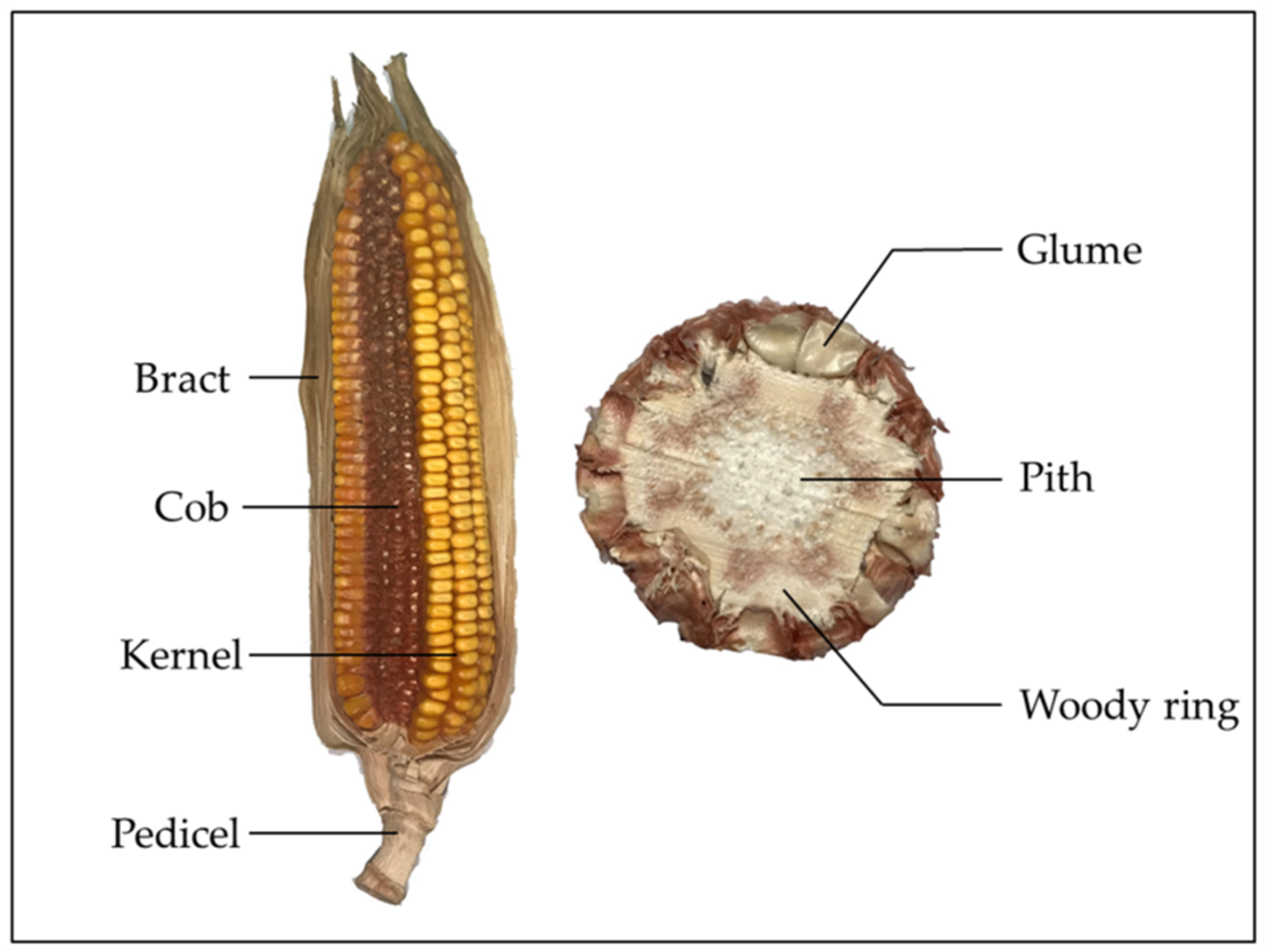
Agriculture Free Full Text Field Decomposition Of Corn Cob In Seasonally Frozen Soil And Its Intrinsic Influencing Factors The Case Of Northeast China Html

Corn Oil Chef Ookul Facts About Raw Materials Used In Kitchen

How Gpc Makes Ethyl Alcohol Alcohol Markets

Why Does Popcorn Pop Popcorn Science Food Crumbles

Solved 33 Examine A Corn Kernel That Has Been Soaked In Chegg Com

Corn Kernel Anatomy Anatomy Drawing Diagram
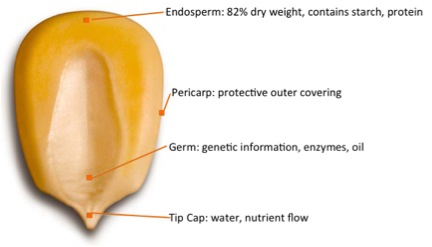
7 3a Composition Of Corn And Yield Of Ethanol From Corn Egee 439 Alternative Fuels From Biomass Sources
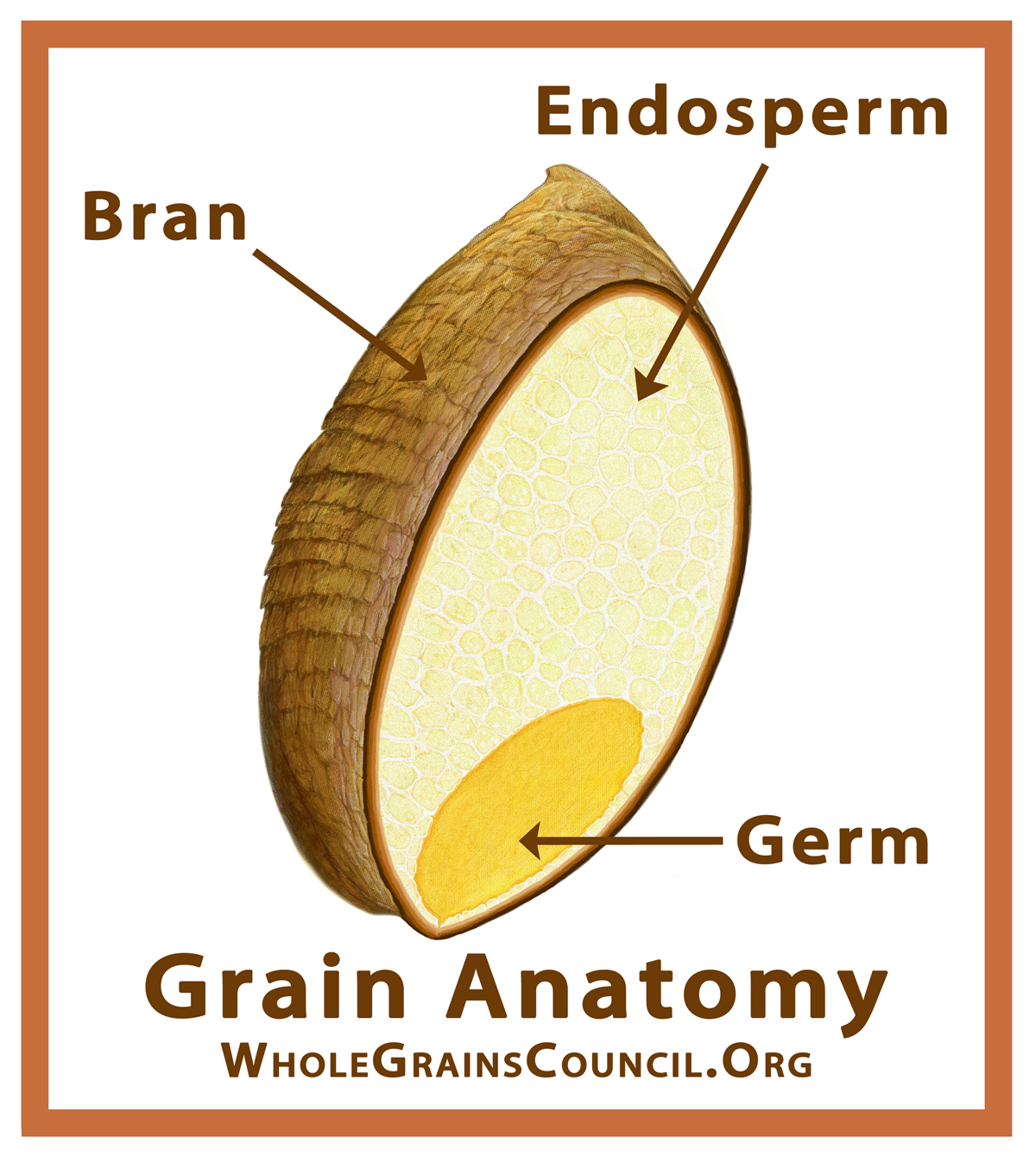
What Is A Whole Grain The Whole Grains Council

Diagram Of L S Maize Grain Is Given Identify The Parts Labelled A B C And D

Study On Drying Characteristics Of Corn Based On 3d Model
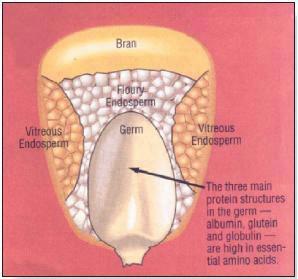
Chapter 8 Quality Of Corn Silage Farmwest

Anatomy Of A Corn Kernel Anatomy Drawing Diagram
Biology 2

Tiger Ncssm Distance Education And Extended Programs

Grits Corn Flakes Popcorn Corn Kernel Maize Png Clipart Animal Feed Communication Corn Flakes Corn Kernel

Transposable Elements Transposons Dna Elements Capable Of Moving Transposing About The Genome Discovered By Barbara Mcclintock Largely From Cytogenetic Ppt Download


Comments
Post a Comment