38 leaf stomata diagram
Continue to use the Photosynthesis Notes Guide from the previous lesson while learning the material in this lesson. It is located in the sidebar if you did not print it in the previous lesson. Overview Photosynthesis is the process that provides energy for almost all life. During photosynthesis, autotrophs use the sun's energy to make carbohydrate… 25-04-2019 · CBSE Class 6 Science Notes Chapter 7 Getting to Know Plants Pdf free download is part of Class 6 Science Notes for Quick Revision. Here we have given NCERT Class 6 Science Notes Chapter 7 Getting to Know Plants.
16-10-2020 · Difference Between Monocot Leaf and Dicot Leaf Historically, plants are classified into two categories based on the number of cotyledons or embryonic leaves. Therefore, the term “monocot” refers to the flowering plants that contain only one cotyledon.

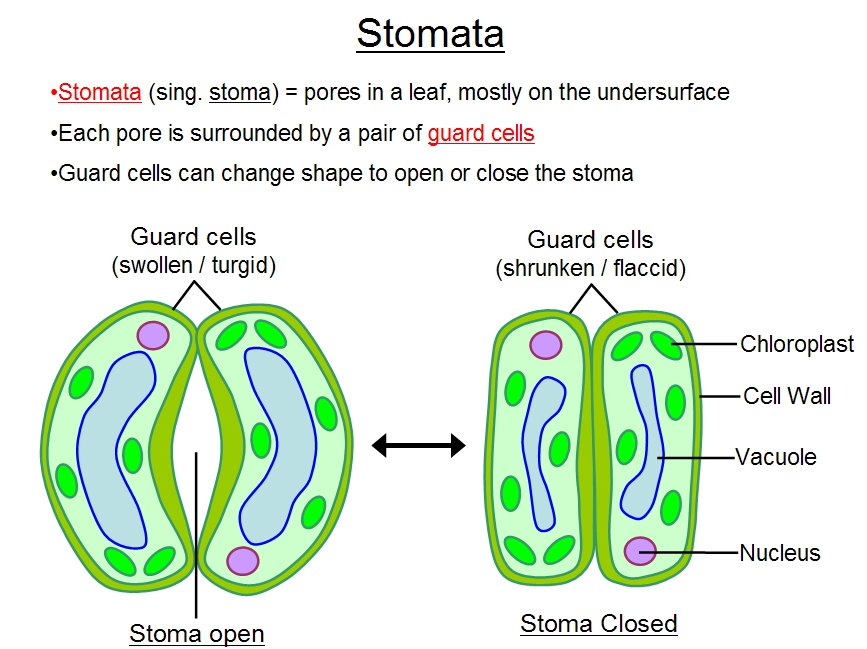
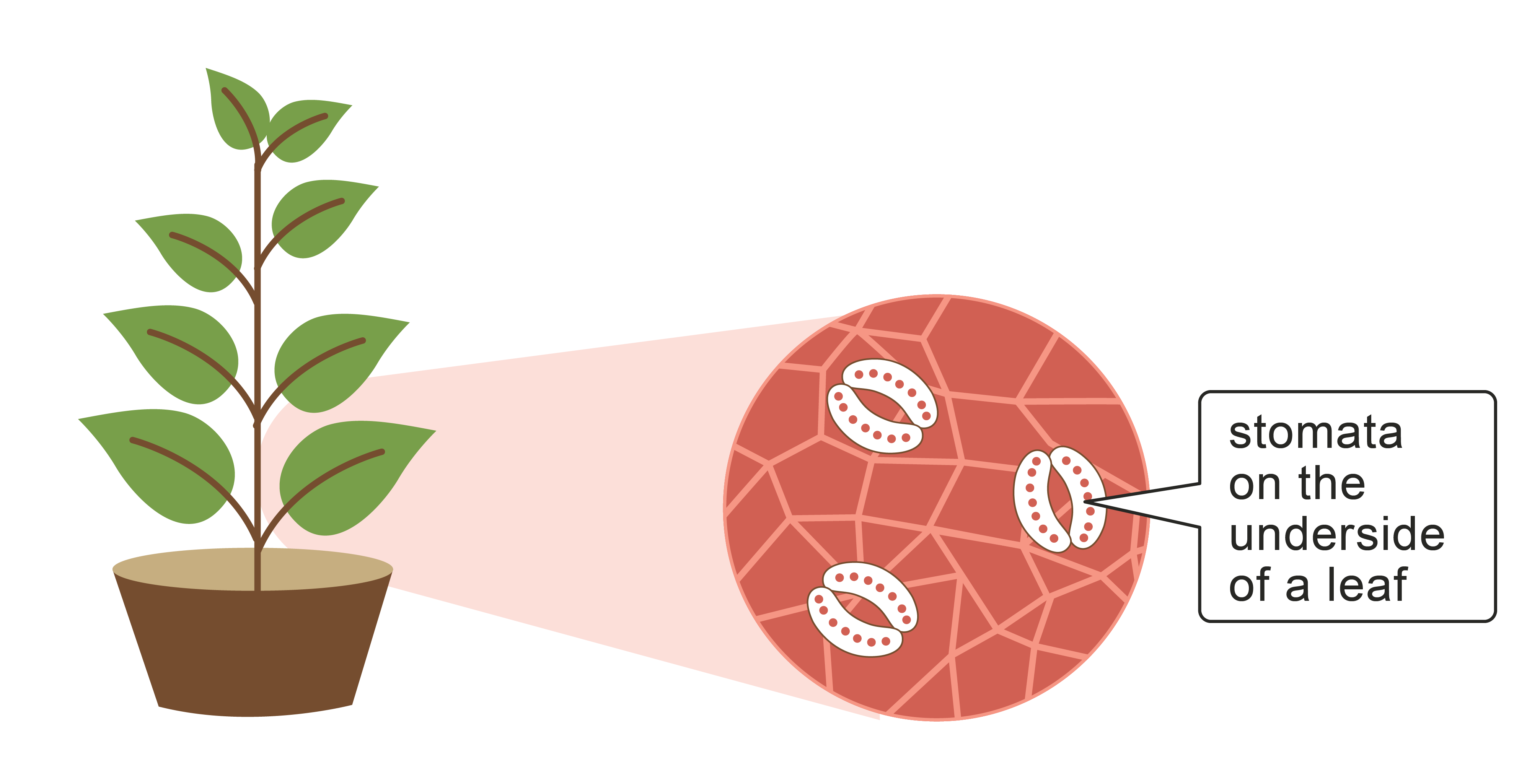
Leaf stomata diagram
Transpiration is the process of water movement through a plant and its evaporation from aerial parts, such as leaves, stems and flowers.Water is necessary for plants but only a small amount of water taken up by the roots is used for growth and metabolism. The remaining 97–99.5% is lost by transpiration and guttation. Leaf surfaces are dotted with pores called stomata (singular "stoma"), and ... The diagram of the Stomata is useful for both Class 10 and 12. It is one among the few important topics and is majorly asked in the board examinations. A brief description of the Stomata along with a well-labelled diagram is given below for reference. 04-07-2020 · Q1. How is simple diffusion different from active transport?. Ans. Simple diffusion moves substances down its concentration gradient without the involvement of any other molecule and energy expenditure whereas active transport helps in the transport of molecules against the concentration gradient assisted by other protein molecules and requiring energy expenditure by the cell.
Leaf stomata diagram. Introduction. The Gnathostomata, or gnathostomes, are the majority of the Middle Devonian (-380 million years ago) to Recent vertebrates. They differ from all other craniates or vertebrates in having a vertically biting device, the jaws, which consist of an endoskeletal mandibular arch and a variety of exoskeletal grasping, crushing, or shearing organs, i.e. the teeth, and jaw bones. 04-10-2019 · Transpiration Definition. Transpiration is the evaporation of water from plants. Most of the water absorbed by the roots of a plant—as much as 99.5 percent—is not used for growth or metabolism; it is excess water, and it leaves the plant through transpiration. Transpiration is very important for maintaining moisture conditions in the environment. 18-06-2021 · Stomata cover 1 to 2% of leaf area. Land plants typically have thousands of stomata on their leaf surface, most of which are found on the lower portion. It reduces its direct exposure to heat and air. In aquatic plants, stomata are found on the upper leaf surface. Diagram of a typical plant, ... Cross section of a leaf, showing the anatomical features important to the study of photosynthesis: stoma, ... and so have evolved specialized structures known as stomata to allow gas to enter and leave the leaf. Carbon dioxide cannot pass through the protective waxy layer covering the leaf ...
04-07-2020 · Q1. How is simple diffusion different from active transport?. Ans. Simple diffusion moves substances down its concentration gradient without the involvement of any other molecule and energy expenditure whereas active transport helps in the transport of molecules against the concentration gradient assisted by other protein molecules and requiring energy expenditure by the cell. The diagram of the Stomata is useful for both Class 10 and 12. It is one among the few important topics and is majorly asked in the board examinations. A brief description of the Stomata along with a well-labelled diagram is given below for reference. Transpiration is the process of water movement through a plant and its evaporation from aerial parts, such as leaves, stems and flowers.Water is necessary for plants but only a small amount of water taken up by the roots is used for growth and metabolism. The remaining 97–99.5% is lost by transpiration and guttation. Leaf surfaces are dotted with pores called stomata (singular "stoma"), and ...
Study Of Stomatal Distribution On Leaves Meity Olabs Youtube

Stomata Images Stock Photos Vectors Shutterstock
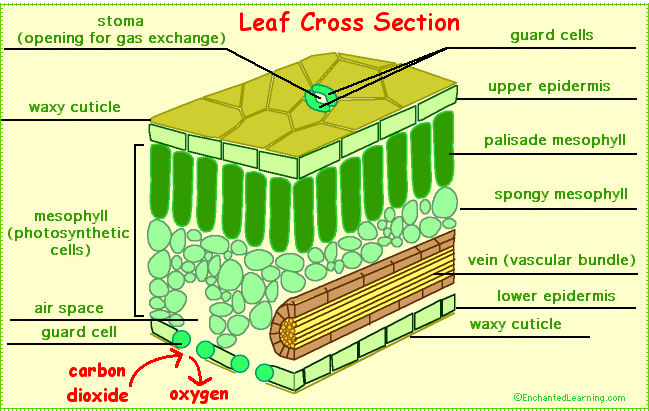
Leaves And Leaf Anatomy Enchantedlearning Com

Diagram Of Stomata How To Draw Stomata Labelled Diagram Biology Diagram Youtube
Draw A Neat Diagram Of The Stomatal Apparatus Found In The Epidermis Of Leaves And Label The Stoma Guard Cells Chloroplast Sarthaks Econnect Largest Online Education Community
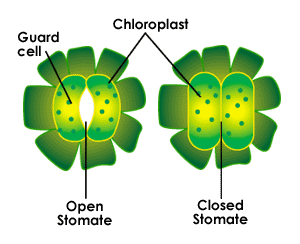
Plant Structures Leaf Sparknotes

Diagram Showing Stomata And Guard Cell Illustration Canstock

Light Microscope Images Of Stomata From Poplar Leaves Growing In Download Scientific Diagram

A Guide To Understand Stomata With Diagram Edrawmax Online

Stomata Leaf Diagram
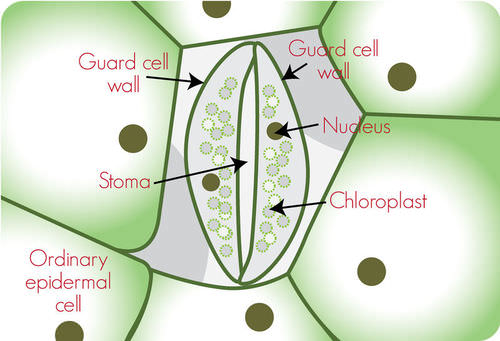
Leaves And Photosynthesis Ck 12 Foundation

Leaf Stomata Lab Biology Junction
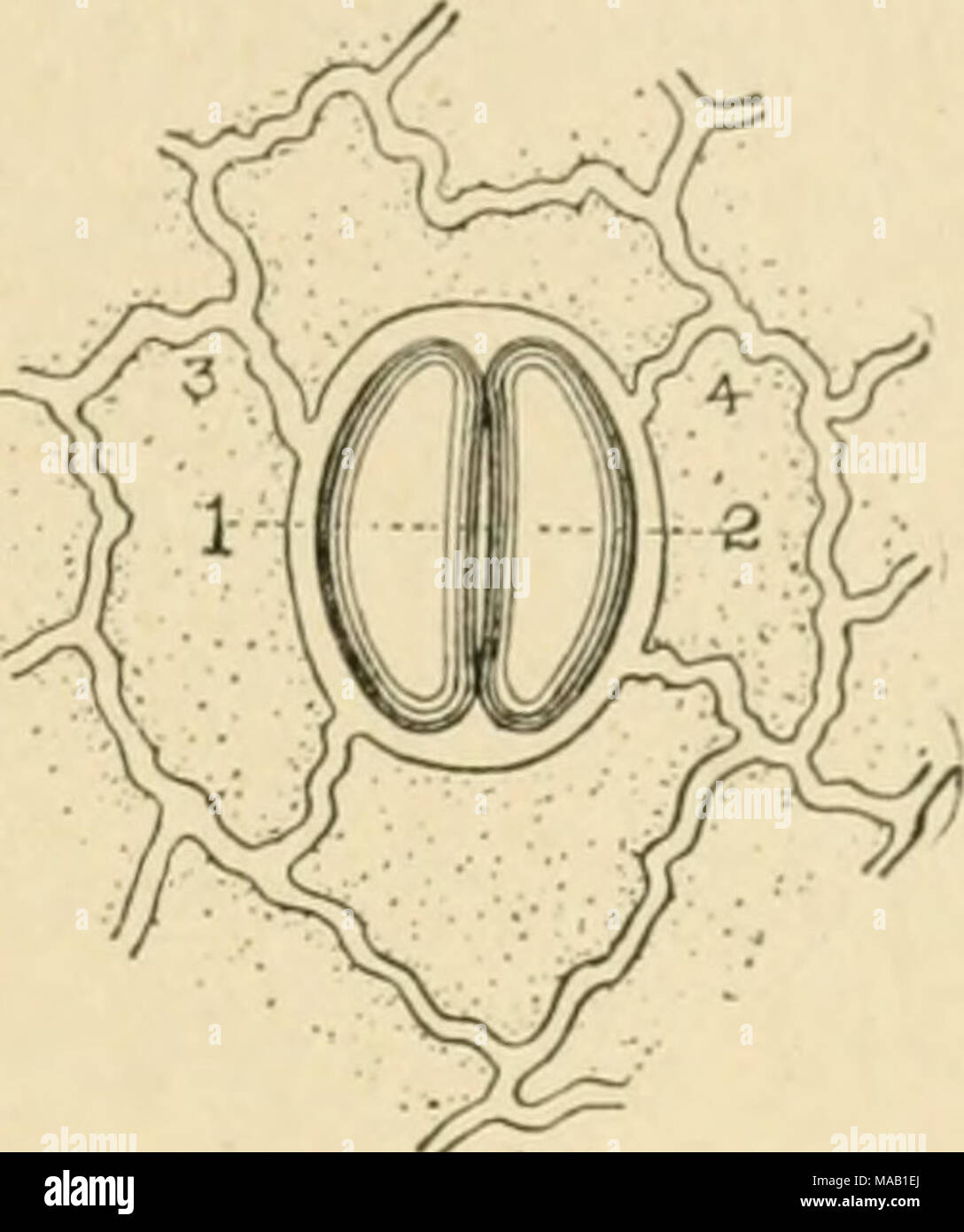
Dry Farming A A C Fig 41 Diagram Of Open And Partly Closed Breathing Pores On Leaves Through These Openings Water Escapes From The Plant From King S Quot Irrigation And Drainage Quot Or

Draw The Diagram Of Open Stoma And Label The Parts

152 Stomata Vector Images Stomata Illustrations Depositphotos

Leaf Structure And Function Advanced Read Biology Ck 12 Foundation
Microscope

Stomata Images Stock Photos Vectors Shutterstock
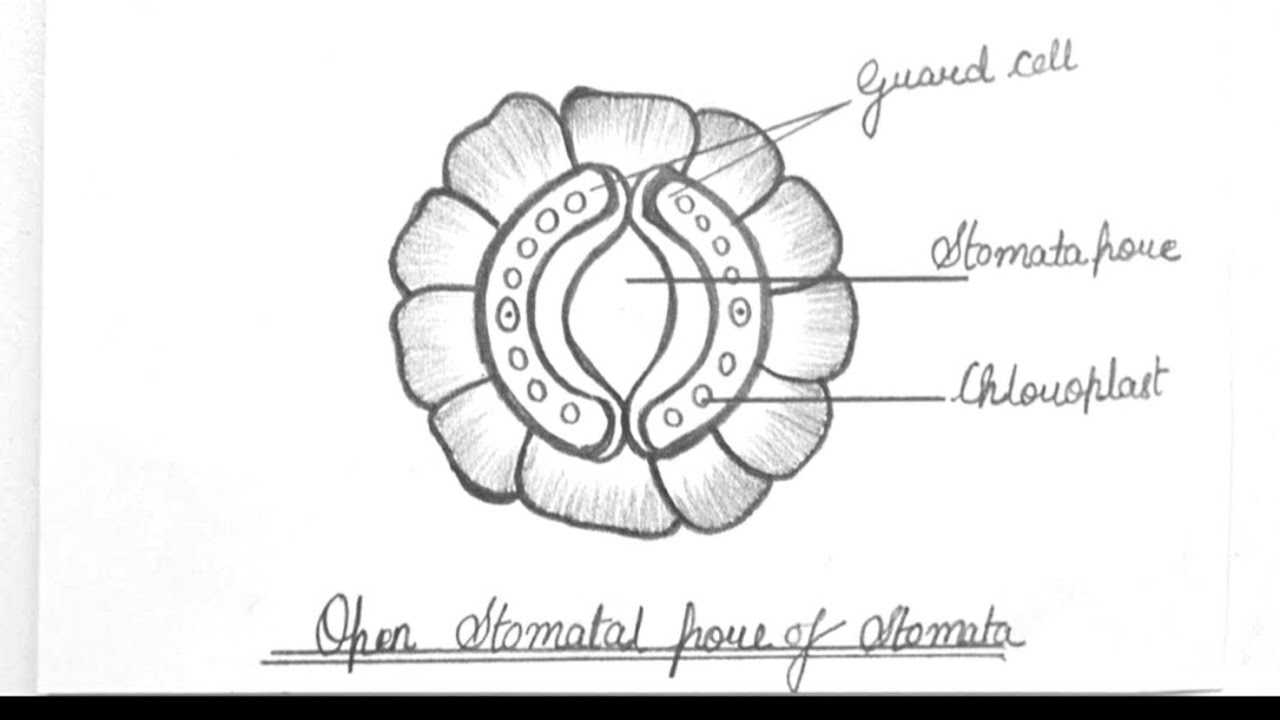
How To Draw Stomata Stomata Diagram Draw A Neat Labeled Diagram Of Stomata Youtube
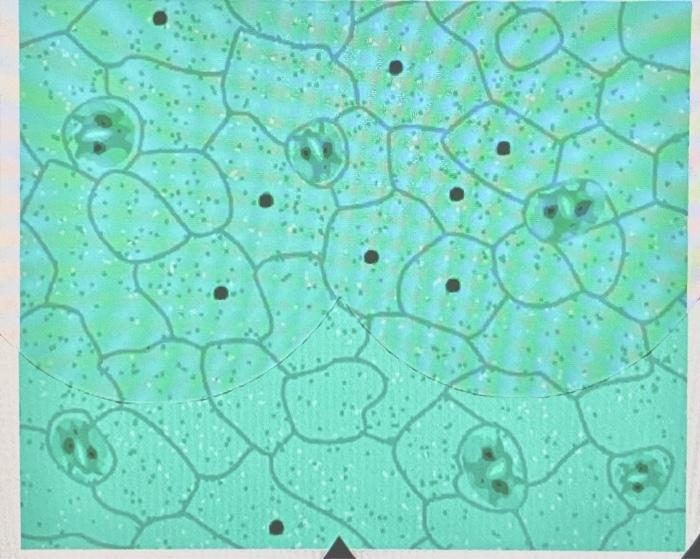
Solved Hello Can You Please Help Me Count The Number Of Chegg Com
1
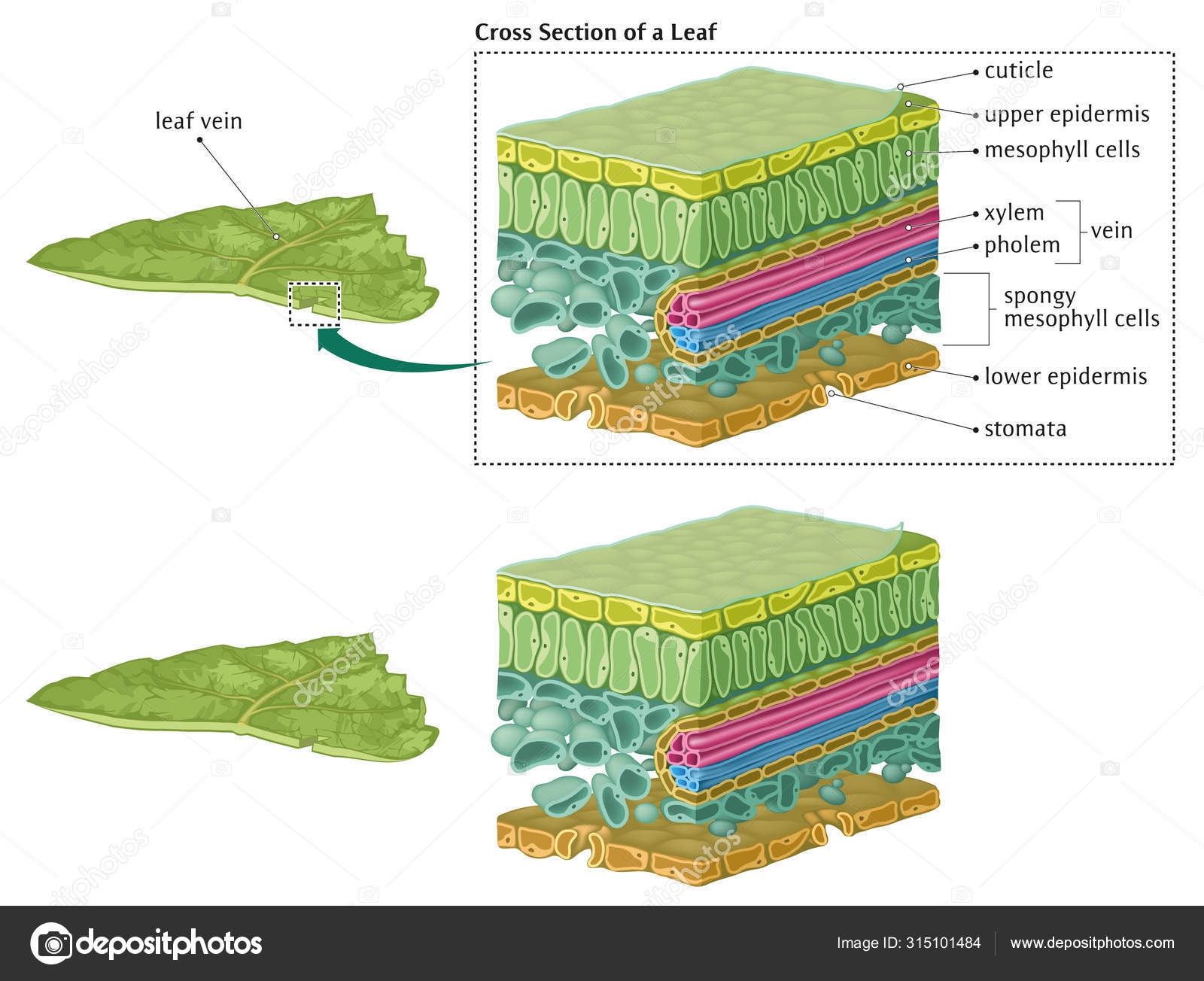
152 Stomata Vector Images Stomata Illustrations Depositphotos
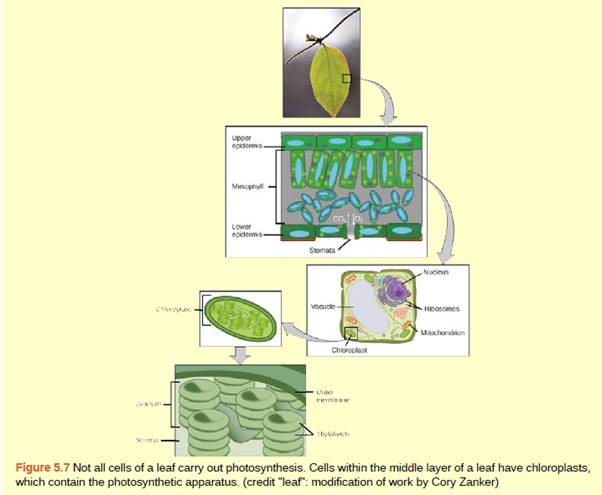
Figure 5 7 On A Hot Dry Day Plants Close Their Stomata To Conserve Water What Impact Will This Have On Photosynthesis Bartleby

A Stomatal Safety Efficiency Trade Off Constrains Responses To Leaf Dehydration Nature Communications

Stomata Cut Out Stock Images Pictures Alamy

What Are Stomata Quora

152 Stomata Vector Images Stomata Illustrations Depositphotos

Diagram Showing Transpiration Of Plants Stock Illustration Download Image Now Istock

Light Reactions Ck 12 Foundation

Stomata Drawing Vector Images 76
How Do Stomata Help Conserve Water Socratic

Tomatosphere Tomatosphere Specialized Cells Of The Leaf Syste

Plant Stomata Under The Microscope And What Stomata Tell You About Plant Habitat

Img Src Https D10lpgp6xz60nq Cloudfront Net Physics Images Ncert Fing Bio Obj Xi Afp C06 E01 032 Q01 Png Width 80 Given Figures P And Q Represent The Stomatal Apparatus Of Dicot And Monocot Leaves Respectively Select The Option Which

A Draw A Labeled Diagram Of Stomata Write Any Two Functions Of It B State The Conditions Necessary For Photosynthesis And Give Its Chemical Equation Biology Topperlearning Com V2etj2

Leaf Stomata Stock Illustrations 106 Leaf Stomata Stock Illustrations Vectors Clipart Dreamstime

Stomata Images Free Vectors Stock Photos Psd
The Role Of The Leaf In Photosynthesis Worksheet Edplace


Comments
Post a Comment